
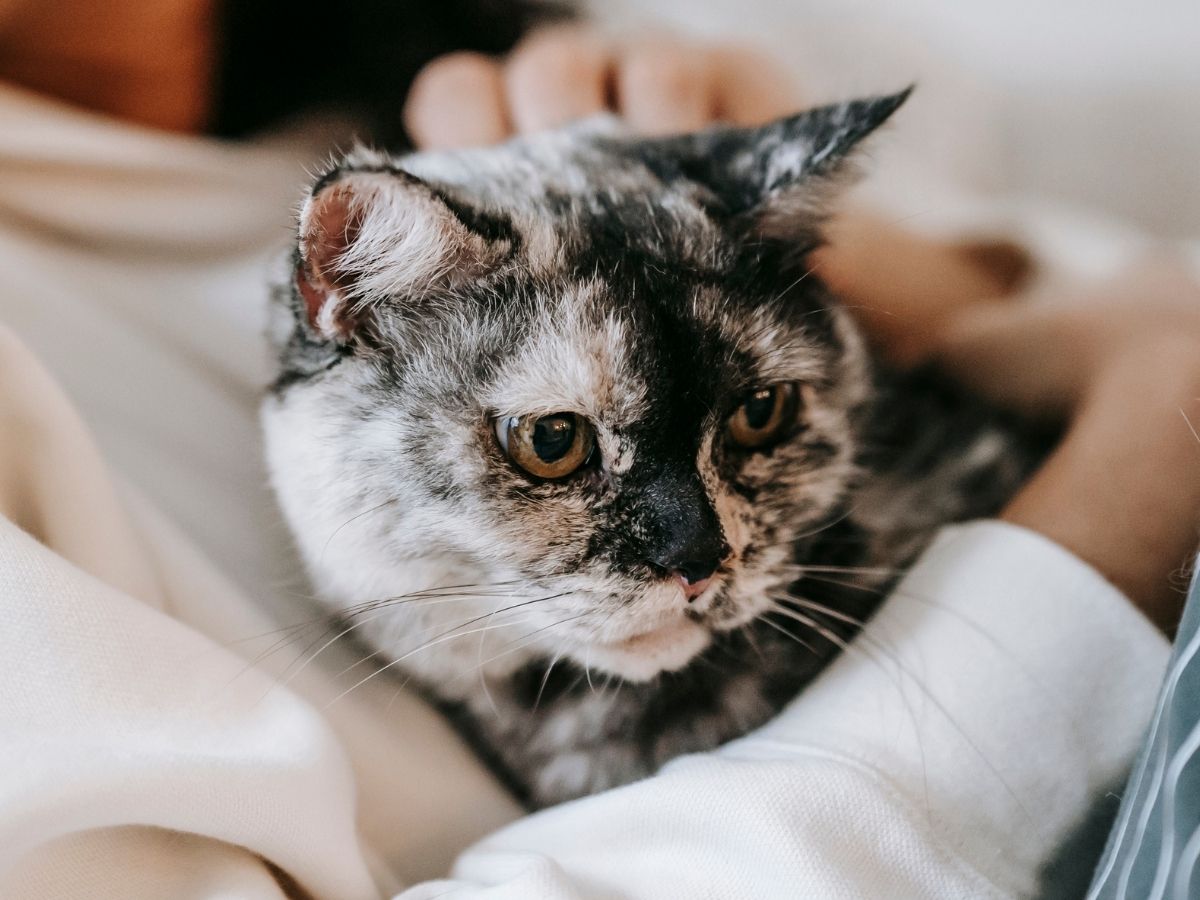
Pet Laboratory Testing
Our in-house laboratory at Porter Square Veterinarian allows us to quickly and accurately analyze diagnostic samples for dogs, cats, and pocket pets. Timely veterinary diagnostics mean faster answers and better care for your pet when it matters most.
What Is Pet Laboratory Testing?
Pet laboratory testing encompasses a range of diagnostic tools used to evaluate your pet’s internal health. While a physical exam gives our team valuable information about what we can see and feel, laboratory testing reveals what’s happening beneath the surface. Blood work, urinalysis, fecal testing, and other diagnostics—including supplementary X-ray and ultrasound imaging—provide a more complete picture of your pet’s health and help our team make informed, accurate decisions about their care.
Laboratory testing is recommended in a variety of situations, from routine wellness screening to pre-surgical evaluation, illness workup, and ongoing monitoring of chronic conditions. For many pets, routine diagnostic testing is one of the earliest ways we can identify developing health concerns before they become more serious.
Laboratory Testing as Part of Preventive Care
For pets on long-term medications, regular blood monitoring helps ensure the medication is working as intended and that organ function remains stable. Our team will recommend an appropriate testing schedule based on your pet’s age, health status, and any ongoing treatments.

Types of Laboratory Testing We Offer
Our in-house veterinary diagnostics capabilities allow us to perform a wide range of tests without the delays associated with sending samples to an outside lab. This means our team can often review results during or shortly after your pet’s appointment and begin discussing next steps with you the same day.
Blood Work
Pet blood testing is one of the most informative diagnostic tools available in veterinary medicine. A complete blood count, or CBC, evaluates the red blood cells, white blood cells, and platelets in your pet’s blood, providing information about immune function, hydration, anemia, and infection. A blood chemistry panel assesses organ function, including the liver, kidneys, and pancreas, and can help identify metabolic conditions such as diabetes.
Urinalysis
Urine testing provides valuable information about kidney function, hydration status, and the presence of infection, crystals, or other abnormalities in the urinary tract. Urinalysis is often performed alongside blood work to give our team a more complete picture of your pet’s metabolic health.
Fecal Testing
A fecal exam screens for intestinal parasites, including roundworms, hookworms, whipworms, Giardia, and coccidia. Because many pets with intestinal parasites show few or no outward symptoms, routine fecal screenings are an important part of a comprehensive parasite control plan.
Additional Diagnostics
Depending on your pet’s symptoms and health history, our team may recommend additional testing such as thyroid panels, heartworm testing, tick-borne disease screening, or cytology. We’ll always explain why a particular test is being recommended and what we hope to learn from the results.
Why Timely Diagnostics Matter
Even outside of urgent care scenarios, timely diagnostics support better veterinary care across the board. When our team has access to accurate, current information about your pet’s internal health, every recommendation we make is grounded in a clearer understanding of their individual needs.
Diagnostic Expertise You Can Trust
We believe informed pet owners are better equipped to make decisions about their pet’s care, and clear communication about diagnostic findings is a core part of how we practice veterinary medicine.
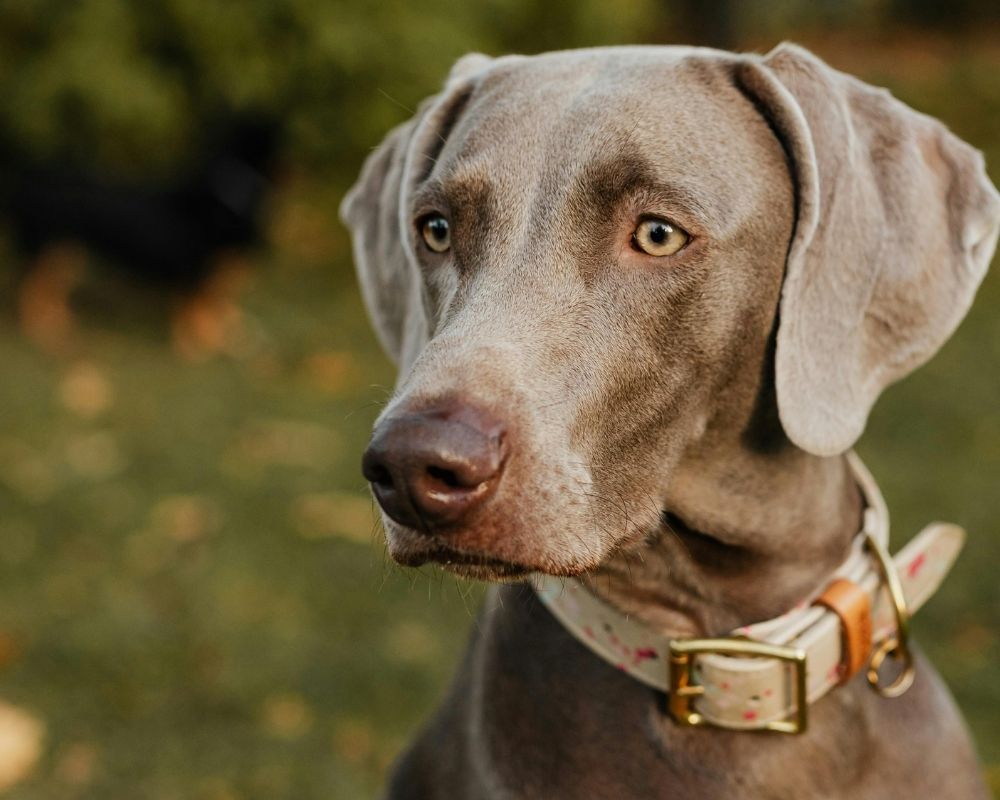
FAQs About Pet Laboratory Testing
How should I prepare my pet for blood work?
How long does it take to get results?
My pet seems healthy—do they still need blood work?
Can laboratory testing help with my senior pet's care?
Absolutely. Senior pets benefit significantly from more frequent diagnostic monitoring, as age-related changes in organ function can develop over a relatively short period. Regular blood work and urinalysis help our team stay ahead of these changes and adjust your pet's care plan accordingly. Learn more about our senior pet care services.