

Pet Microchipping
At Porter Square Veterinarian, we offer quick, reliable pet microchipping for dogs and cats in Somerville and the surrounding community. A microchip is one of the simplest and most effective ways to protect your pet if they ever get lost.
What Is Pet Microchipping?
Unlike collars and ID tags, which can fall off or become unreadable over time, a microchip provides a permanent form of identification that stays with your pet for life. It requires no charging, no maintenance, and no replacement under normal circumstances.
How the Microchipping Process Works
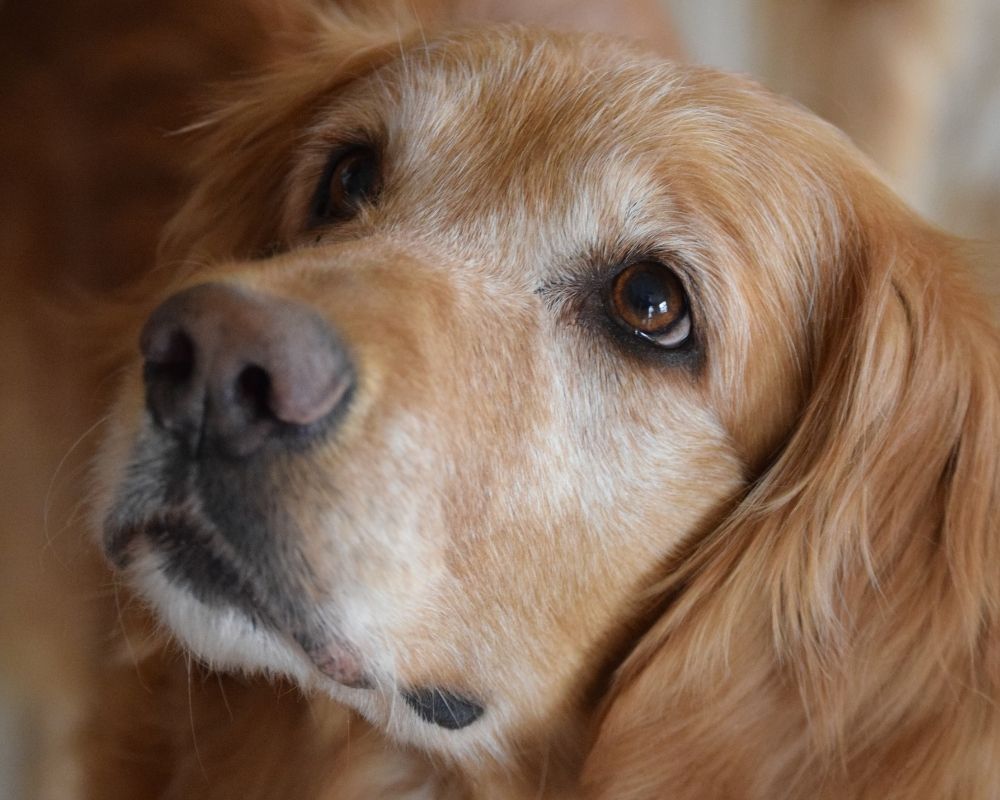
Dog and cat microchipping at Porter Square Veterinarian is a straightforward procedure that takes only a few minutes. The microchip is delivered via a small needle and injected beneath the skin, much like a routine vaccine. No anesthesia is required, and most pets tolerate the procedure with minimal discomfort.
Once the chip is implanted, the next step is registration. The microchip ID number must be entered into a pet recovery database along with your current contact information in order for the chip to be useful if your pet is ever found. Our team will walk you through the registration process to make sure your pet’s chip is properly linked to your information before you leave.
Why Pet Microchipping Matters
Collars and ID tags are a valuable first line of identification, but they have limitations. Tags can become worn and illegible, and collars can slip off or be removed. A microchip provides a backup layer of identification that cannot be lost or left behind, making it a worthwhile investment for every pet owner.
Microchipping is also a one-time procedure with lifelong benefits. Once implanted and registered, a microchip requires no ongoing maintenance, making it one of the most straightforward protective measures available for your pet.
When to Microchip Your Pet
The best time to microchip your pet is as early as possible, ideally during one of their first veterinary visits. Puppies and kittens can be microchipped at a young age, and the procedure can easily be combined with a wellness exam or vaccination appointment to minimize the number of separate visits needed.
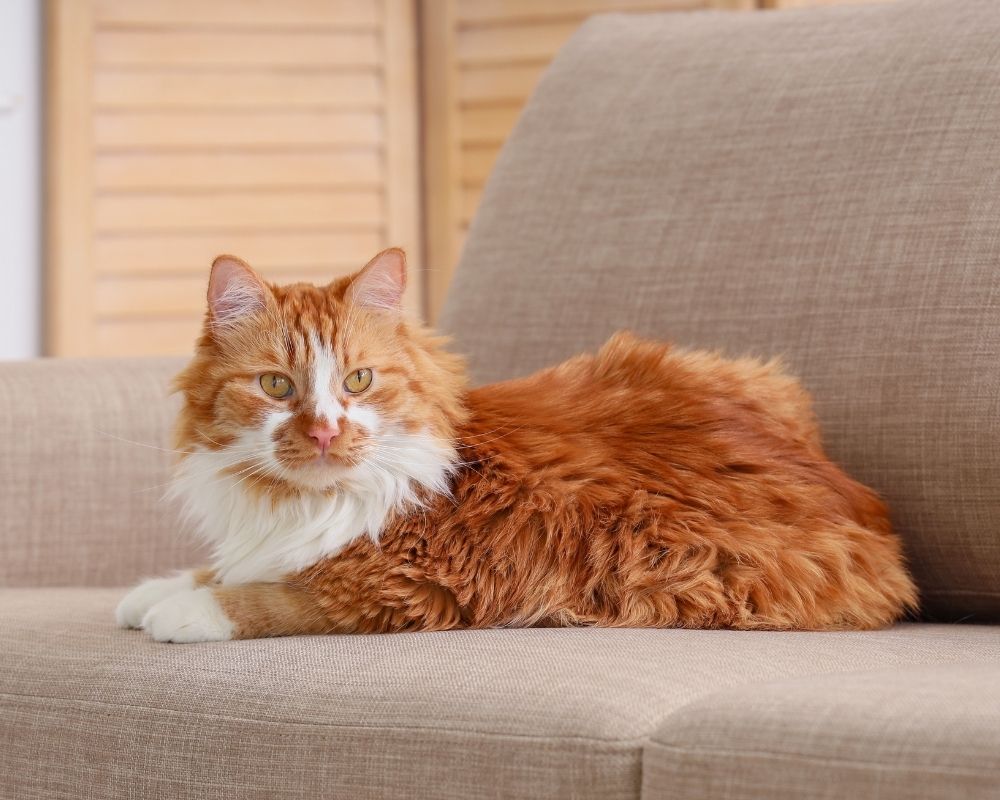
That said, it’s never too late to microchip a pet. If your adult dog or cat doesn’t yet have a microchip, we encourage you to schedule the procedure at your next visit. It’s a quick addition to any appointment and provides lasting peace of mind.
Trusted Dog & Cat Microchipping in Somerville
FAQs About Pet Microchipping
Does microchipping hurt my pet?
Is my pet's microchip the same as a GPS tracker?
What database will my pet's chip be registered in?
What if I adopt a pet that already has a microchip?
Do indoor pets need microchips?
A Small Step With a Lasting Impact
Microchipping is one of the quickest and most effective things you can do to protect your pet for years to come. At Porter Square Veterinarian, our team is proud to offer accessible dog and cat microchipping as part of our commitment to the pets and families we serve throughout Somerville and the neighboring communities.