
Pet Nutritional Counseling
At Porter Square Veterinarian, we help pet owners make informed, confident decisions about their pet’s diet. Our pet nutritional counseling services are available for dogs, cats, and pocket pets throughout Somerville and the surrounding community.
What Is Pet Nutritional Counseling?
Pet nutritional counseling is a veterinary service focused on evaluating your pet’s diet and making recommendations tailored to their individual health needs, life stage, and lifestyle. Nutrition plays a foundational role in your pet’s overall health, influencing everything from energy levels and coat condition to organ function and immune health. Despite its importance, pet nutrition can be a confusing and often overwhelming topic for owners, with a wide range of commercial diets, supplements, and feeding philosophies competing for attention.
Our team cuts through the noise by offering evidence-based nutritional guidance grounded in your pet’s specific health history and current needs. Whether you have questions about what to feed a new puppy, how to manage your senior cat’s weight, or which prescription diet is right for a pet with a chronic condition, we’re here to help you find the right answers.
Prescription Diets and In-Clinic Products
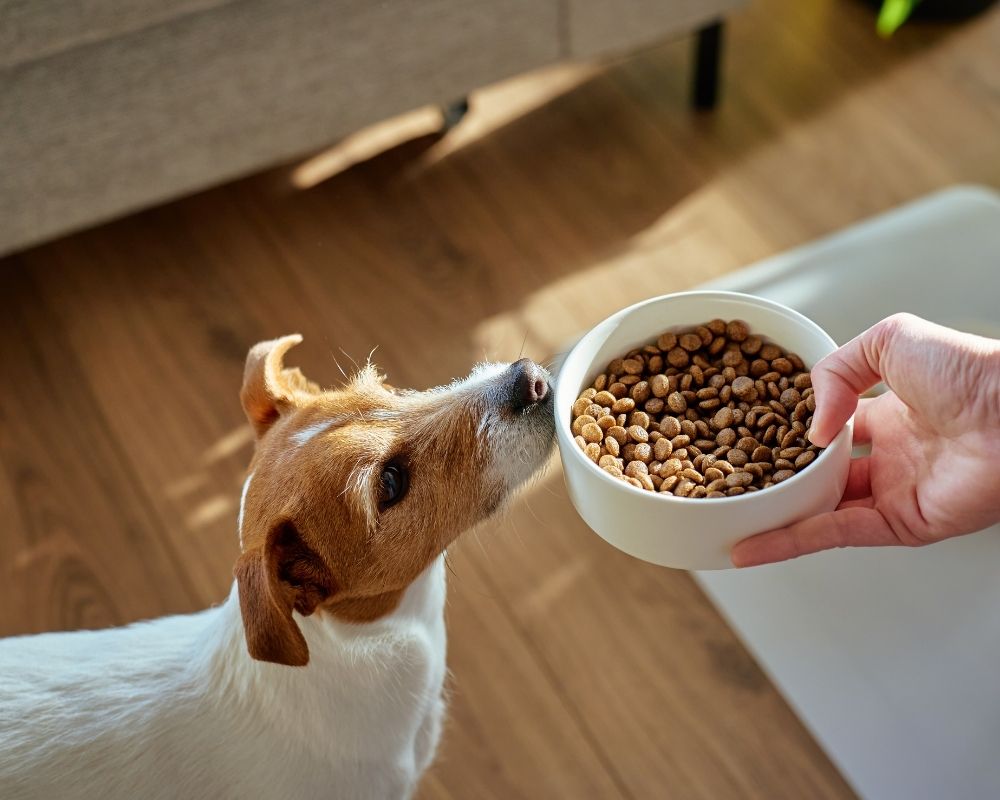
Because we maintain only a limited supply of prescription diets, we encourage existing clients to call ahead to confirm that a specific diet is in stock before making a trip to the clinic. Our team is also happy to discuss whether a particular prescription diet is the right fit for your pet before you commit to a new food.
When Is Nutritional Counseling Recommended?
Nutritional guidance is relevant at every stage of your pet’s life, not just when a problem arises. We discuss diet as a routine part of every wellness exam, reviewing what your pet is currently eating and whether any adjustments might support their health going forward.
Nutritional counseling becomes especially important in the following situations:
- Pets who are underweight or overweight may benefit from a structured feeding plan designed to help them reach and maintain a healthy body condition.
- Weight management in pets can significantly reduce the risk of joint problems, diabetes, heart disease, and other weight-related conditions.
- Pets with chronic health conditions such as kidney disease, diabetes, food allergies, gastrointestinal disorders, or urinary issues often require a carefully selected diet as part of their overall treatment plan.
In these cases, nutrition is not just supportive—it can be a primary component of managing the condition effectively.
Growing puppies and kittens have unique nutritional requirements that differ significantly from those of adult pets. Feeding the right diet during these early stages supports healthy development and helps lay the groundwork for long-term health.
Senior pets have their own evolving nutritional needs as their metabolism, organ function, and activity levels change with age. Our senior pet care approach includes dietary evaluation as a key component of supporting quality of life in older animals.
What to Expect During a Nutritional Consultation
From there, we’ll share our recommendations in clear, practical terms. We focus on guidance you can actually implement, rather than overly complex feeding protocols that are difficult to maintain at home. If a diet change is recommended, we’ll walk you through how to transition your pet gradually to minimize digestive upset.
Why Pet Nutrition Matters More Than Many Owners Realize
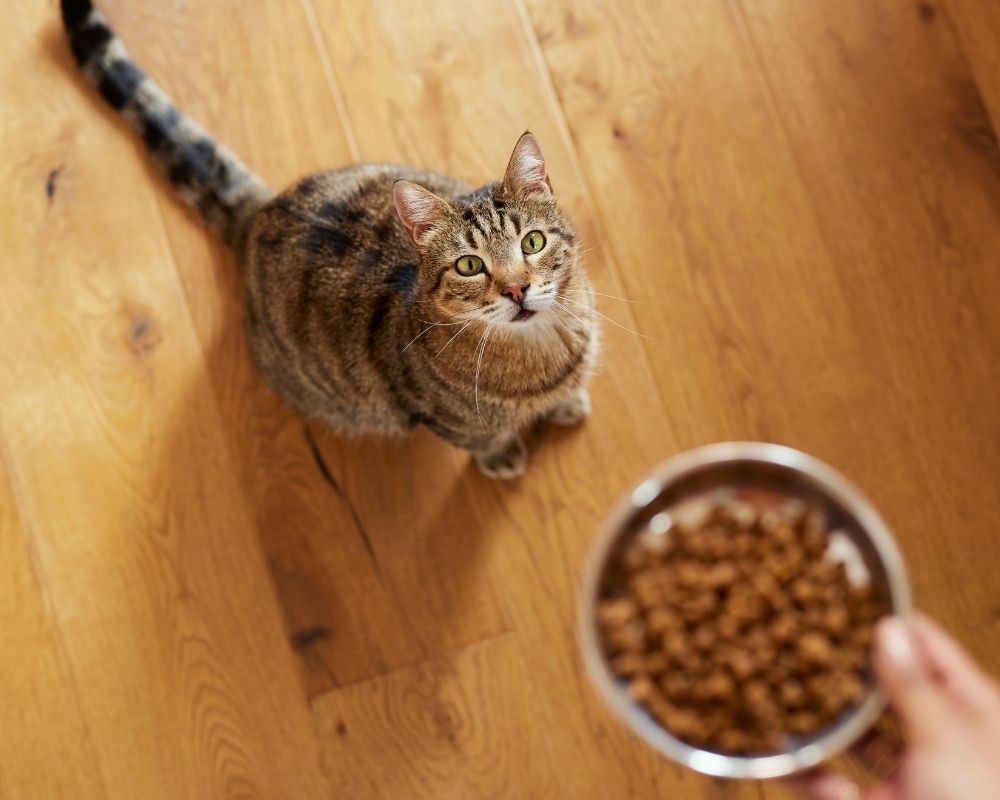
Feeding an appropriate, balanced diet supports your pet’s immune system, digestive health, coat and skin condition, muscle mass, and organ function. Having a trusted veterinary team to consult when you have questions about your pet’s diet means you don’t have to rely solely on packaging claims or online forums to make these important decisions.
FAQs About Pet Nutritional Counseling
How do I know if my pet's current food is appropriate for them?
My pet is a healthy weight and seems fine—do I still need nutritional counseling?
Are grain-free diets safe for dogs?
How do I transition my pet to a new food?
Do pocket pets need nutritional counseling?
Yes. Small mammals like rabbits and guinea pigs have very specific dietary requirements, and nutritional imbalances are a common cause of health problems in these species. If you have questions about feeding your pocket pet, our team is happy to help during a pocket pet care visit.