
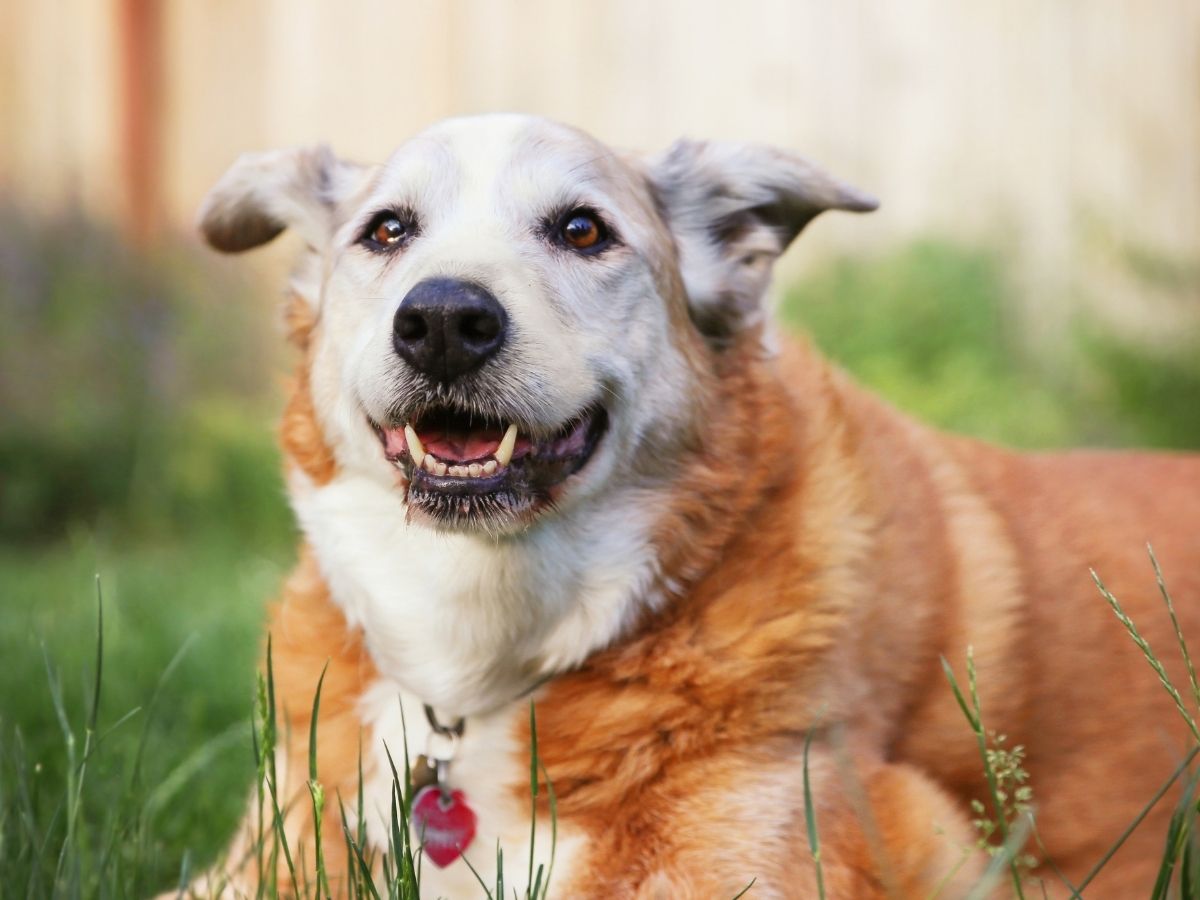
Senior Pet Care
Porter Square Veterinarian provides attentive, individualized care for older pets throughout their golden years. Our senior pet care services are designed to help aging dogs, cats, and pocket pets in Somerville and beyond stay comfortable, healthy, and supported as their needs evolve.
What Is Senior Pet Care?
Senior pet care refers to the specialized veterinary approach used to monitor and manage the health of older companion animals. As pets age, their bodies undergo significant changes that can affect organ function, mobility, cognitive health, immune response, and nutritional needs. These changes often develop gradually and may not be immediately obvious to even the most attentive pet owner.
Dogs are generally considered senior around seven years of age, though larger breeds tend to age more quickly and may be considered senior as early as five or six. Cats are typically classified as senior around ten years of age. For pocket pets, the senior life stage arrives even sooner due to their naturally shorter lifespans. Our team tailors our approach to each pet’s individual age, breed, species, and health history rather than applying a one-size-fits-all definition of what it means to be a senior animal.
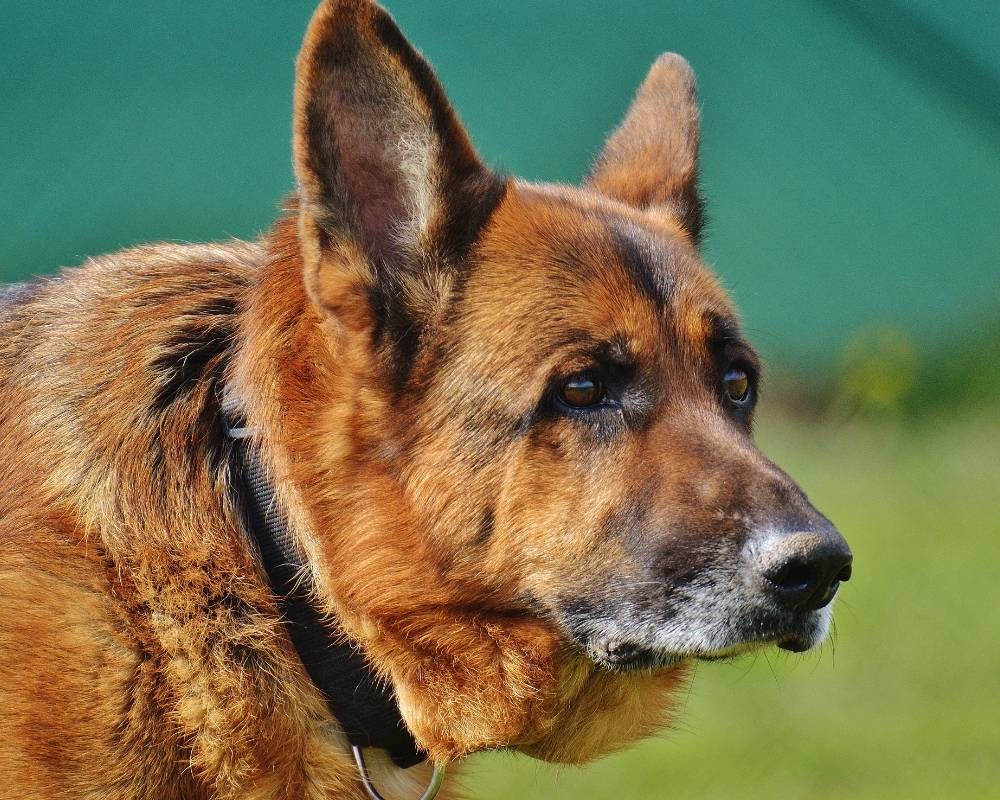
Why Senior Pets Need Specialized Care
More frequent veterinary visits allow our team to detect subtle changes in your pet’s health before they progress into more serious problems. We generally recommend that senior pets be seen at least twice a year rather than annually, giving us more frequent opportunities to assess their condition and adjust their care plan as needed.
What to Expect at a Senior Pet Wellness Visit
Senior wellness visits at Porter Square Veterinarian are more comprehensive than a standard annual checkup. In addition to a thorough physical exam, we routinely incorporate diagnostic screening as a core component of senior care.
Physical Examination
Our team conducts a detailed physical assessment at every senior visit, paying particular attention to joint health and mobility, body weight and muscle condition, dental health, lymph node size, heart and lung function, and any lumps or skin changes that warrant closer evaluation.
Laboratory Testing
Routine laboratory testing is a cornerstone of senior pet care. Blood work and urinalysis allow our team to assess organ function, identify metabolic changes, and monitor pets who are already being managed for chronic conditions.
Imaging
Pet X-rays and ultrasound may be recommended as part of a senior pet’s diagnostic workup, particularly when organ changes, masses, or musculoskeletal concerns are suspected. Imaging provides a level of detail that complements the information gathered through physical examination and laboratory results.
Dental Evaluation
Dental disease is especially prevalent in senior pets and can have a meaningful impact on their comfort and overall health. We assess oral health at every visit and discuss whether a professional dental cleaning or further dental evaluation is warranted based on what we find.
Nutritional Assessment
Aging pets often require adjustments to their diet to account for changes in metabolism, organ function, and activity level. Our team incorporates nutritional counseling into senior wellness visits, reviewing your pet’s current diet and making recommendations tailored to their evolving needs.
Managing Chronic Conditions in Senior Pets
Our team works closely with you to develop a management plan that supports your pet’s quality of life while remaining practical for your household. This may include medication, dietary modifications, more frequent monitoring visits, or supportive care measures designed to keep your pet comfortable as their condition evolves
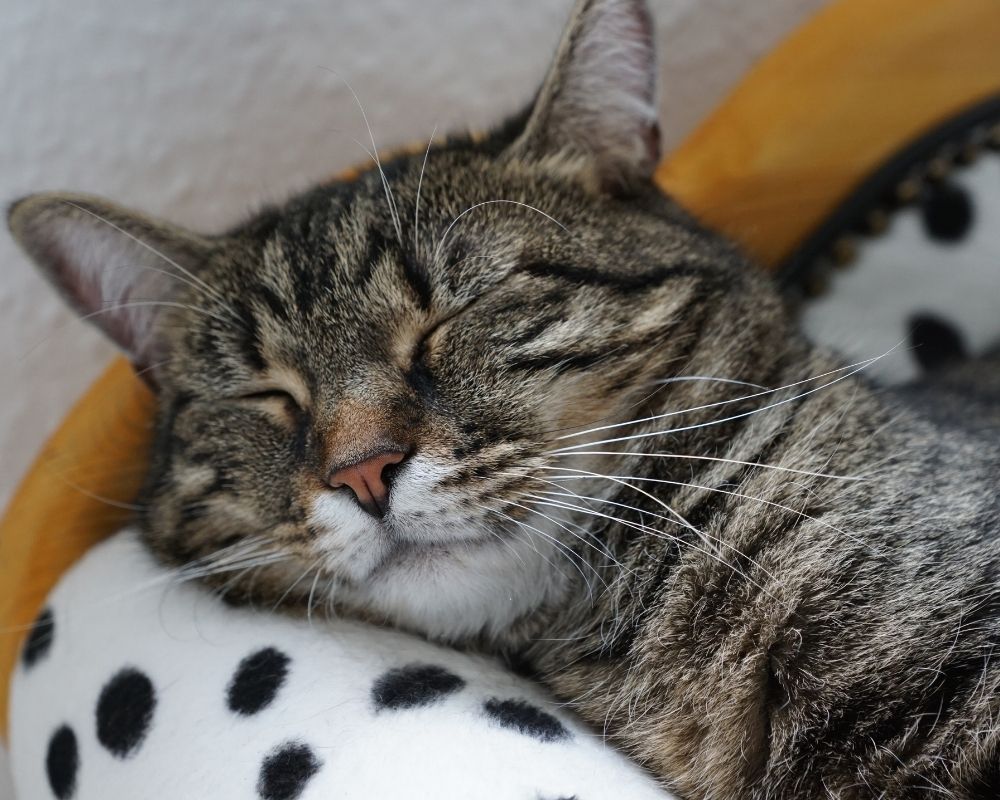
Cognitive Health and Behavioral Changes in Senior Pets
Cognitive dysfunction syndrome, sometimes compared to dementia in humans, is a recognized condition in senior dogs and cats that can cause confusion, disorientation, changes in sleep patterns, increased vocalization, and shifts in social behavior. These changes are sometimes mistaken for normal aging when they may in fact be manageable with appropriate veterinary support.
If your senior pet is displaying behavioral changes that seem out of character, we encourage you to bring these observations to our team. As discussed in our pet behavioral counseling page, sudden or progressive behavioral changes in older pets warrant a thorough evaluation to determine whether a medical or cognitive component is involved.